This guide covers crucial aspects of hiring home care services, aiding informed decisions for your loved ones. Recognizing service types and benefits enhances your search, while understanding the difference between home care and home health care is vital. We’ll provide insights into assessing needs and selecting reliable providers, aiming to ensure well-being through meticulous planning and selection.
It’s important to start the search with a clear understanding of what you and your loved ones truly need in terms of care and support.
1. What Are Home Care Services?
1.1 Understanding Different Types of Home Care
Home care services assist individuals in maintaining an independent living environment, from basic daily tasks to specialized support. Knowing the types available helps tailor services to your family’s specific needs. Broadening your knowledge about these services can help take a proactive approach to care management.
1.2 The Benefits of Home Care Services
Home care services improve quality of life by allowing clients to stay in their familiar environment, promoting mental well-being. Personalized care respects individual needs and enhances comfort. Utilizing such services often leads to longer autonomy and a greater sense of security for clients.
1.3 Differences Between Home Care and Home Health Care
Home care involves help with daily activities and companionship, whereas home health care includes medical services by healthcare professionals. Knowing these differences helps in choosing the right care. Making the correct choice can lead to better health outcomes and more effective support.
1.4 Typical Tasks Performed by Home Care Providers
Providers assist with hygiene, meals, medication reminders, and provide companionship. They may also help with transportation, supporting a healthy lifestyle, and social engagement. Knowing the full extent of these tasks can aid in setting realistic expectations and planning accordingly.
1.5 Important Considerations for Home Care
Evaluate care options for flexibility, compatibility with the client’s preferences, and cost-effectiveness to ensure high-quality, sustainable care delivery. Being comprehensive in this evaluation ensures that the choice of home care service aligns well with expected quality and budgetary constraints.
2. How to Determine Your Home Care Needs
2.1 Assessing the Level of Care Required
Assess physical, cognitive, and healthcare needs to determine appropriate home care services, aligning with existing medical treatments. Accurate assessments lead to more targeted, effective care plans that can greatly enhance quality of life.
2.2 Evaluating Daily Living Needs
Evaluate personal care needs, nutritional requirements, and transportation to customize services for comprehensive support. Tailor-made support plans can significantly lessen day-to-day burdens on families and caregivers.
2.3 Considering Medical and Health Requirements
Assess medical monitoring needs, chronic conditions, and emergency response requirements to secure a supportive environment. Ensuring such considerations can prevent potential health crises and improve overall care satisfaction.
2.4 Understanding Emotional and Social Needs
Incorporate social activities and emotional support to prevent isolation and support mental wellness. Prioritizing these aspects fosters a nurturing environment that extends beyond physical care.
2.5 Making Adjustments to Home Environment
Modify the home for safety and accessibility with adaptive devices, optimizing comfort and care delivery. Thoughtful modifications to the home can result in significant improvements to daily living quality.
3. What to Look for in a Home Care Provider
3.1 Qualifications and Credentials
Verify provider certifications, licensing, and ongoing professional development for competent care delivery. Detailed attention to qualifications ensures that the selected providers meet the highest standards of care.
3.2 Experience and Specialization
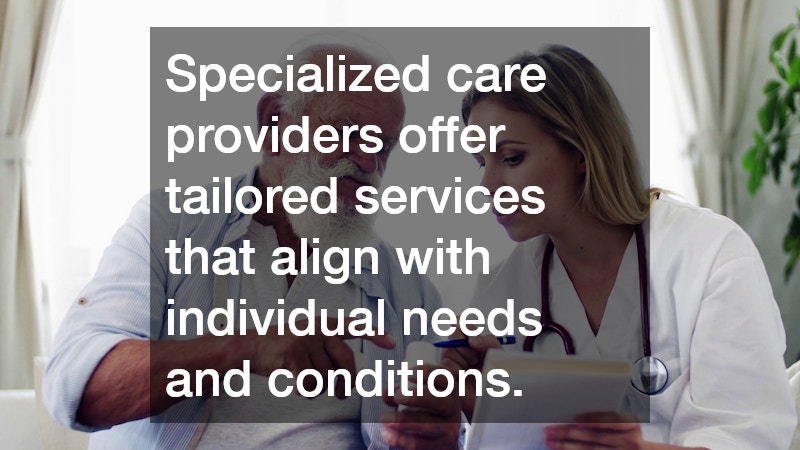
Select providers with experience and specialization in specific conditions or age groups to ensure quality care. Specialized care providers offer tailored services that align with individual needs and conditions.
3.3 Compatibility with Client Needs
Match caregiver communication style and empathy with client personality and preferences for a positive relationship. Compatibility in caregiving relationships fosters better cooperation and trust, which is crucial for effective care.
3.4 Background Checks and References
Conduct background checks and consult references to ensure caregiver reliability and professionalism. Doing thorough checks assures peace of mind and confidence in care arrangements.
3.5 Communication Skills and Attitude
Choose caregivers with clear communication and a positive attitude to foster trust and emotional well-being. Strong communication and beneficial interactions are fundamental to building long-term caring relationships.
Understanding home care services enables you to select the right provider and ensure high-quality care, supporting well-being and peace of mind for you and your loved ones. With careful research and detailed evaluations, home care services can be tailored to meet the unique needs of every family situation.