
Navigating the healthcare system can feel like moving through a complex labyrinth, especially when you are balancing immediate discomfort with long-term wellness goals. Whether you are seeking immediate relief from an acute condition, managing a chronic illness, or exploring elective aesthetic treatments, understanding how to access and coordinate local healthcare resources is essential. Having a clear blueprint empowers you to advocate for your health, streamline your appointments, and achieve better medical outcomes without unnecessary delays or stress.
When health issues arise, knowing where to turn first sets the trajectory for your entire care journey. Local resources offer distinct advantages, including convenience, community connection, and accessible follow-up care. By learning how to evaluate practitioners, prepare for appointments, and coordinate between primary care and specialized services, you can build a reliable network of health professionals dedicated to keeping you vibrant and well.
Building Your Healthcare Foundation

Establishing a primary point of contact is the single most critical step in personal health management. This baseline relationship provides a centralized hub for your medical records, preventative screenings, and routine health maintenance, ensuring that your care remains cohesive over time.
Choosing the Right Primary Care Provider
Selecting a primary care practitioner requires evaluating several key operational and interpersonal factors. Look for a facility that offers reasonable appointment availability, transparent communication channels, and proximity to your home or workplace. Establishing a relationship with a local doctor office allows you to build a comprehensive medical history with a team that understands your baseline health, making it much easier to spot subtle changes or early signs of illness.
Maximize Your Primary Care Visits
To get the most value from your routine appointments, prepare a concise list of questions and current medications before arriving. Clearly articulate any new symptoms, lifestyle shifts, or health concerns you have experienced since your last visit. Taking detailed notes or bringing a trusted family member can help ensure you accurately remember diagnosis details and follow-up instructions provided during your consultation.
Navigating Health Insurance and Network Coverage
Understanding how your health insurance coverage interacts with your foundational care network saves both money and stress. Take time to verify which local providers participate in your specific insurance network prior to booking appointments. Calling member services directly or reviewing provider portals helps prevent surprise medical bills and clarifies copay requirements, ensuring seamless continuity of care.
Managing Acute Physical Discomfort

Physical pain is one of the most common reasons individuals seek professional medical care. Prompt intervention not only alleviates immediate suffering but also prevents minor injuries from developing into chronic, debilitating musculoskeletal conditions.
Immediate Steps for Injury Assessment
When sudden pain occurs, evaluate the severity and nature of the symptoms before choosing a treatment path. Rest the affected area, apply ice or heat as appropriate, and avoid activities that aggravate the discomfort. If the pain persists for more than a few days, spreads to other parts of your body, or interferes with daily function, seek a formal evaluation to identify the root cause rather than relying indefinitely on temporary fixes.
Exploring Non-Surgical Joint and Spine Care
Musculoskeletal issues often respond exceptionally well to targeted non-invasive therapies. Visiting local chiropractors can help restore proper alignment, improve range of motion, and reduce nervous system interference caused by spinal misalignments. These hands-on adjustments, combined with lifestyle guidance and ergonomic corrections, empower patients to recover naturally while avoiding the costs and recovery times associated with invasive surgical interventions.
Targeted Therapies for Spine Health
Persistent spinal issues require structured intervention strategies tailored to individual biomechanics. Incorporating evidence-based back pain treatments, such as specialized physical therapy, spinal decompression, and targeted core strengthening exercises, can relieve pressure on compressed nerves and stabilize the surrounding musculature. Working alongside qualified practitioners ensures that your rehabilitation program progresses safely and effectively over time.
Ergonomic Workplace Adjustments for Pain Prevention
Many chronic physical ailments stem directly from poor posture and static positioning during daily work hours. Adjusting desk height, monitoring screen positioning, using supportive seating, and taking brief movement breaks every hour significantly reduces spinal stress. Small daily structural habits prevent minor tension from turning into severe musculoskeletal conditions that require intensive therapy.
Navigating Specialty Medical Services
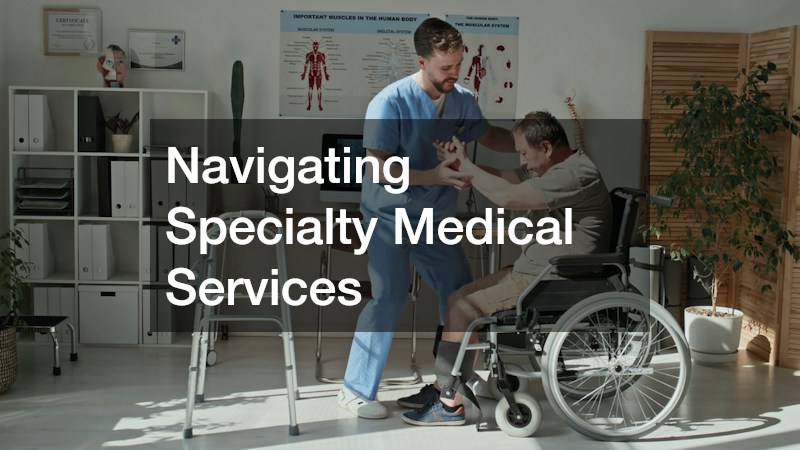
When health conditions exceed the scope of primary or conservative care, specialized medical intervention becomes necessary. Accessing the right specialists ensures you receive advanced diagnostics and highly focused treatment protocols.
Knowing When to Consult a Specialist
Transitioning from primary care to specialty care usually begins with a referral or a persistent issue that fails to respond to conservative management. If you experience severe joint instability, recurring bone injuries, or chronic mobility limitations, consulting orthopedic doctors is a critical next step. These specialists utilize advanced imaging and targeted therapies to repair structural damage, restore joint function, and help you regain an active lifestyle.
Preparing for Advanced Clinical Consultations
Before meeting with a specialist, gather all relevant diagnostic tests, imaging reports, and medical history summaries. Write down a detailed timeline of your symptoms, including what triggers the discomfort and what provides temporary relief. Arriving prepared enables the specialist to focus on formulating an accurate diagnosis and an action plan rather than spending valuable time retrieving missing medical records.
Understanding Diagnostic Imaging and Tests
Specialized consultations often involve sophisticated imaging tools such as magnetic resonance imaging, computed tomography scans, or targeted ultrasounds. Ask your care team to explain what each test measures and how the findings directly inform your customized care plan. Understanding the diagnostic process eases anxiety and helps you make informed choices regarding proposed treatments.
Comprehensive Recovery and Rehabilitation Protocols

Recovery from severe illness, major surgery, or acute cardiac and respiratory events requires structured multi-disciplinary support. Specialized rehabilitation facilities and programs provide the expert monitoring necessary for safe, efficient healing.
Intensive Post-Acute Recovery Environments
Certain medical events demand round-the-clock clinical supervision and intensive daily therapy sessions. Admittance to an inpatient rehab facility offers patients a secure, structured setting where physical therapists, occupational therapists, and medical staff collaborate to restore independence, rebuild physical strength, and facilitate a safe transition back to home life.
Restoring Cardiovascular and Respiratory Function
Individuals recovering from heart surgery, heart attacks, or chronic lung conditions require specialized exercise protocols and medical monitoring. Participating in a cardio pulmonary rehab program provides a safe environment to rebuild endurance, improve oxygen utilization, and learn heart-healthy habits under the direct supervision of trained medical professionals.
Focused Management for Chronic Respiratory Illness
Chronic lung issues such as COPD, pulmonary fibrosis, or post-viral lung damage require dedicated therapeutic strategies. Structured pulmonary rehab focuses on breathing techniques, supervised exercise training, nutritional advice, and educational support, helping patients improve their functional capacity, reduce shortness of breath, and enhance their overall quality of life.
Establishing Post-Rehabilitation Home Maintenance Routines
Sustaining functional gains made during structured therapy requires a disciplined transition to home care. Therapists provide customized home exercise programs, breathing drills, and activity logs designed to maintain strength and lung capacity. Consistently executing these home routines protects your investment in rehabilitation and prevents functional regression over time.
Vascular Health and Circulatory Care
Circulatory problems can affect both physical comfort and aesthetic confidence. Addressing vascular issues early prevents potential complications and restores healthy blood flow throughout the body.
Identifying Signs of Vascular Disease
Vascular issues often manifest as aching, heaviness, swelling, or visible changes in the lower legs. Ignoring these early warnings can lead to progressive skin changes, ulcers, or increased risk of deep vein thrombosis. Early diagnostic screenings, such as non-invasive vascular ultrasounds, allow physicians to evaluate venous flow and recommend timely interventions before complications arise.
Selecting Modern Venous Interventions
Modern medical advancements have made treating compromised veins minimally invasive and virtually painless. Exploring specialized varicose vein services gives patients access to state-of-the-art procedures like endovenous laser ablation, radiofrequency ablation, and sclerotherapy. These outpatient procedures effectively seal off damaged veins, redirecting blood flow to healthier vessels with minimal downtime.
Long-Term Vascular Health Maintenance
Following corrective venous procedures, maintaining healthy circulation requires consistent daily habits. Incorporating regular walking, elevating your legs during rest periods, and avoiding prolonged sitting or standing helps maintain healthy blood flow. Seeking timely varicose vein treatment not only resolves cosmetic concerns but also alleviates chronic leg heaviness, throbbing discomfort, and localized swelling.
Dietary Support for Healthy Circulation
Optimal circulatory health relies heavily on anti-inflammatory nutrition and proper hydration. Consuming foods rich in bioflavonoids, antioxidants, and omega-three fatty acids supports vascular elasticity and reduces systemic swelling. Pair these dietary choices with consistent fluid intake to promote optimal blood volume and fluid balance throughout your circulatory system.
Integrating Elective Wellness and Aesthetic Care
Healthcare extends beyond treating disease and managing pain; it also encompasses preventative self-care, skin health, and non-surgical aesthetic enhancements that support your overall confidence and personal well-being.
Blending Medical Expertise with Personal Care
Elective cosmetic care has evolved to bridge the gap between traditional medicine and relaxing self-care experiences. Visiting a modern medspa allows individuals to access clinical-grade skin treatments, body contouring, and anti-aging therapies delivered under professional medical oversight. This unique combination ensures that non-invasive cosmetic enhancements are performed safely, hygienically, and with natural-looking results.
Establishing a Personal Self-Care Strategy
Integrating aesthetic and wellness treatments into your routine requires careful planning and realistic expectations. Schedule initial consultations to discuss your goals, review your medical history, and evaluate any potential contraindications. Selecting licensed practitioners who prioritize subtle, health-focused outcomes ensures that your personal wellness investment yields safe and satisfying benefits.
Combining Wellness Treatments with Clinical Care
Elective aesthetic treatments work best when integrated into a broader lifestyle plan that includes proper sleep, stress management, and clinical skin protection. Consult with qualified medical aesthetics professionals to craft a customized treatment calendar that aligns with seasonal changes and your lifestyle demands. Treating elective care as a component of whole-body wellness promotes sustainable, glowing results.
Strategies for Effective Healthcare Navigation
Managing multiple providers, appointments, and treatment plans requires active organization and clear self-advocacy. Developing structured habits simplifies the process and ensures nothing slips through the cracks.
Organizing Medical Information
Keeping your health records orderly and accessible prevents duplicate testing and reduces communication errors between different care providers.
- Maintain a centralized digital folder or physical binder containing recent lab results, imaging reports, and specialist summaries.
- Keep an up-to-date document listing all active prescription medications, over-the-counter supplements, and precise dosage instructions.
- Document a clear chronology of major surgeries, chronic diagnoses, and family medical histories to share with new practitioners.
- Record contact information for all members of your care team, including primary physicians, specialists, and physical therapists.
Communicating with Care Teams
Clear, proactive communication with your medical team ensures your personal goals and preferences guide your care decisions.
- Formulate a prioritized list of top health concerns before every appointment to guide the conversation efficiently.
- Ask for immediate clarification if a doctor uses unfamiliar medical jargon or complex technical terminology.
- Request written summary notes or educational materials at the end of every appointment for later review.
- Discuss the expected timeline, potential side effects, and financial costs associated with proposed treatment plans.
Coordinating Multispecialty Care
When managing complex or overlapping conditions, ensuring that all your physicians communicate effectively is vital for holistic care.
- Request that every specialist send detailed consultation notes and diagnostic results back to your primary care physician.
- Utilize patient portals to review test findings and send concise non-urgent questions directly to your clinical team.
- Schedule periodic comprehensive reviews with your primary doctor to synthesize recommendations from various specialists.
- Confirm that all providers are aware of your full medication list to avoid dangerous drug interactions or redundant prescriptions.
Taking proactive control of your medical journey transforms how you experience healthcare, turning a reactive process into an empowering, lifelong strategy. By establishing a dependable primary care baseline, seeking specialized care when needed, utilizing targeted rehabilitation, and incorporating preventative wellness habits, you create a complete network designed to support your vitality at every stage of life. Investing the time to organize your medical history and build collaborative relationships with your local providers ensures that you receive timely, coordinated, and compassionate care whenever health challenges arise. Ultimately, taking these deliberate steps grants you the peace of mind that comes with knowing your health is managed by a trusted, cohesive network.